FREQUENTLY ASKED QUESTIONS - BROOKS, OR
How frequently do I need to pump my septic tank?
Tank pumping frequency depends on a few factors: tank size, household size, and water usage. For a 1000 gallon tank and 4 person household we recommend every 4-6 years. If your tank is smaller or you have more people we recommend pumping more frequently and if it's larger or you have fewer people you can go longer.
What is the best maintenance for my septic system?
The best maintenance is having your tank pumped routinely. You don't want to wait too long and have solids get out to your drainfield.
We also recommend spreading out your water usage, limiting chemical usage (such as bleach), and avoid flushing anything other than human waste down drains and toilets (NO flushable wipes).
What is the best septic system?
The type of septic system for your home depends on a variety of factors, such as lot size, ground slope, soil conditions, size of the home/occupancy, local/state regulations, and your budget. Some properties can be served by a conventional gravity septic tank and drainfield, while others may require advanced technologies for wastewater treatment or alternate drainfields.
Frequently Asked Questions About Septic Systems
What Is Involved in Septic System Installation for Residential Property?
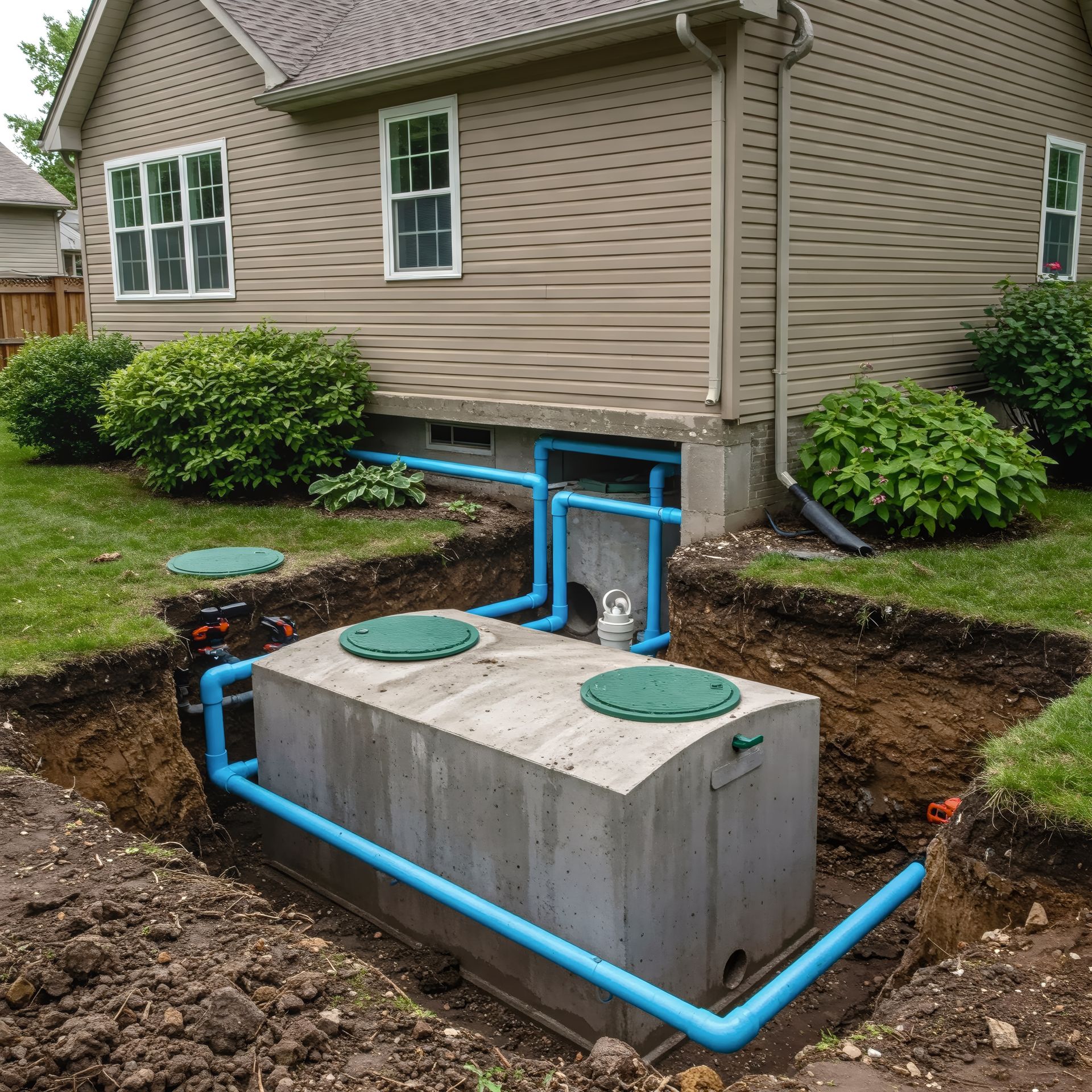
Septic system installation involves designing, preparing, and installing a wastewater treatment system that safely processes household sewage underground. The process typically begins with a soil evaluation and site assessment to determine proper placement and drainage capability. After planning and permits are secured, professionals install the tank, piping, and drain field components that allow wastewater to separate and filter naturally through the soil. Homeowners researching septic system installation in Woodburn, OR should understand that factors like property size, soil conditions, and household water usage all influence the design and long-term performance of the system.
How Long Does a Septic Tank Installation Usually Take?
Most residential septic tank installations take one to three days once permits and site preparation are completed. The timeline depends on factors such as property access, soil conditions, and weather. Excavation crews must carefully prepare the site, place the tank, connect piping, and construct the drain field so wastewater flows properly through the system. During septic tank installation, inspectors may also review the work to confirm that the system meets local regulations and environmental guidelines. Proper installation is important because it helps ensure reliable wastewater treatment and reduces the likelihood of future drainage or contamination issues.
What Are the Signs That a Septic System May Need Repairs?
Common warning signs include slow drains, sewage odors near the yard, standing water around the drain field, or frequent plumbing backups. These symptoms can indicate issues such as clogged pipes, an overfilled tank, or problems with the drain field. When these problems appear, early inspection helps prevent more serious damage to the system or surrounding soil. Ignoring the warning signs may lead to wastewater surfacing on the property or entering nearby groundwater. Regular inspections and maintenance allow technicians to identify developing issues early and keep the system functioning safely and efficiently.
How Often Should a Septic Tank Be Pumped for Proper Maintenance?
Most septic tanks should be pumped every three to five years, depending on household size and water usage. Routine pumping removes the accumulated sludge and solids that naturally build up in the tank over time. Without this maintenance, excess waste can flow into the drain field and reduce its ability to filter wastewater effectively. Homes with larger families or higher water consumption may require more frequent service. Regular pumping, inspections, and responsible water use help maintain the system’s efficiency and extend the lifespan of both the tank and the drain field components.
How Can Homeowners Maintain a Septic System to Prevent Major Problems?
Proper septic maintenance includes routine pumping, careful water use, and avoiding materials that can clog or damage the system. Homeowners should avoid flushing grease, wipes, or harsh chemicals that disrupt the natural bacteria responsible for breaking down waste. Protecting the drain field by keeping heavy vehicles and deep-rooted plants away is also important. When questions about system performance arise, homeowners can contact Ace Septic & Excavating Inc at (503) 393-1033 for guidance. Professionals familiar with septic system installation in Woodburn, OR can help evaluate system health and recommend preventative maintenance strategies.