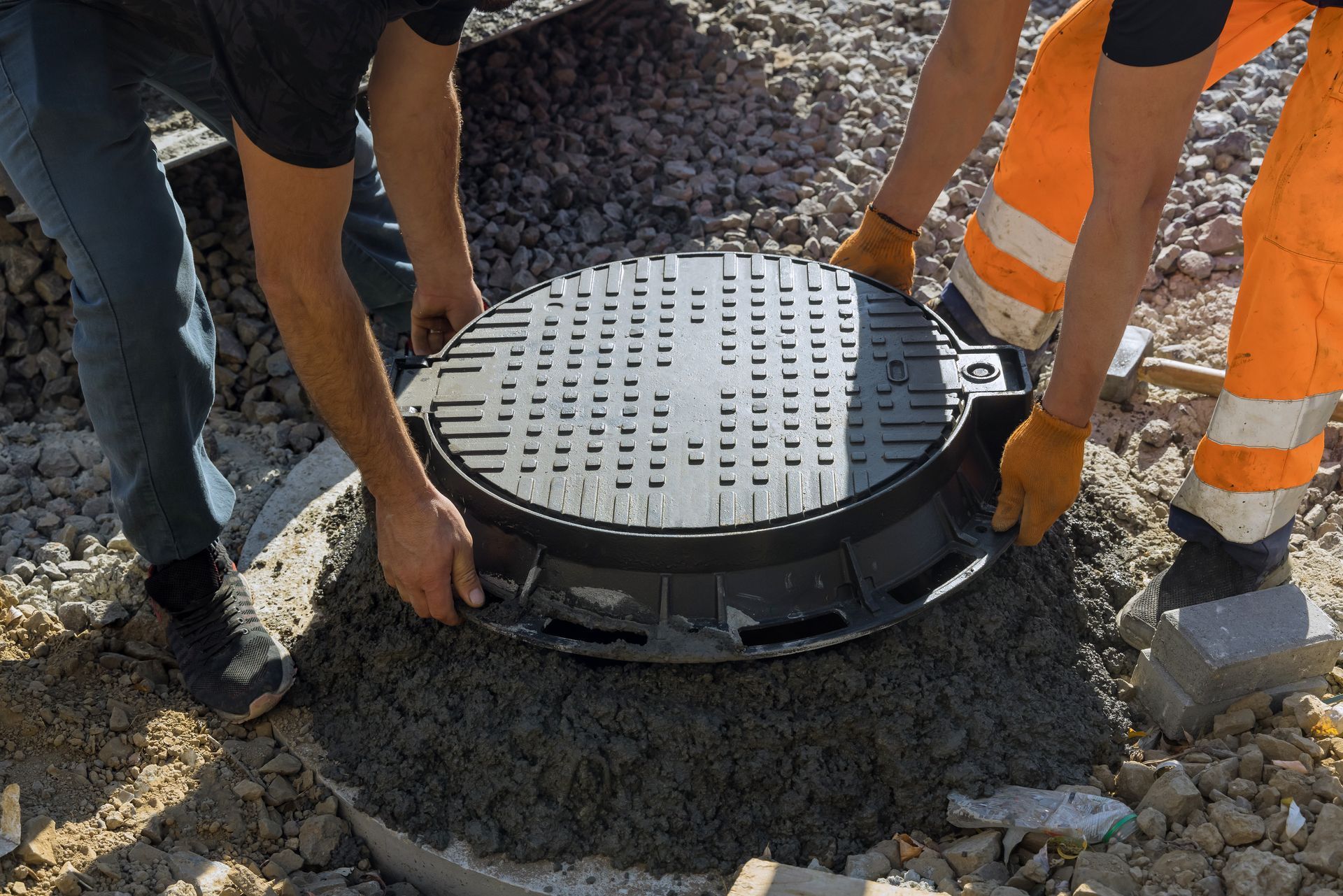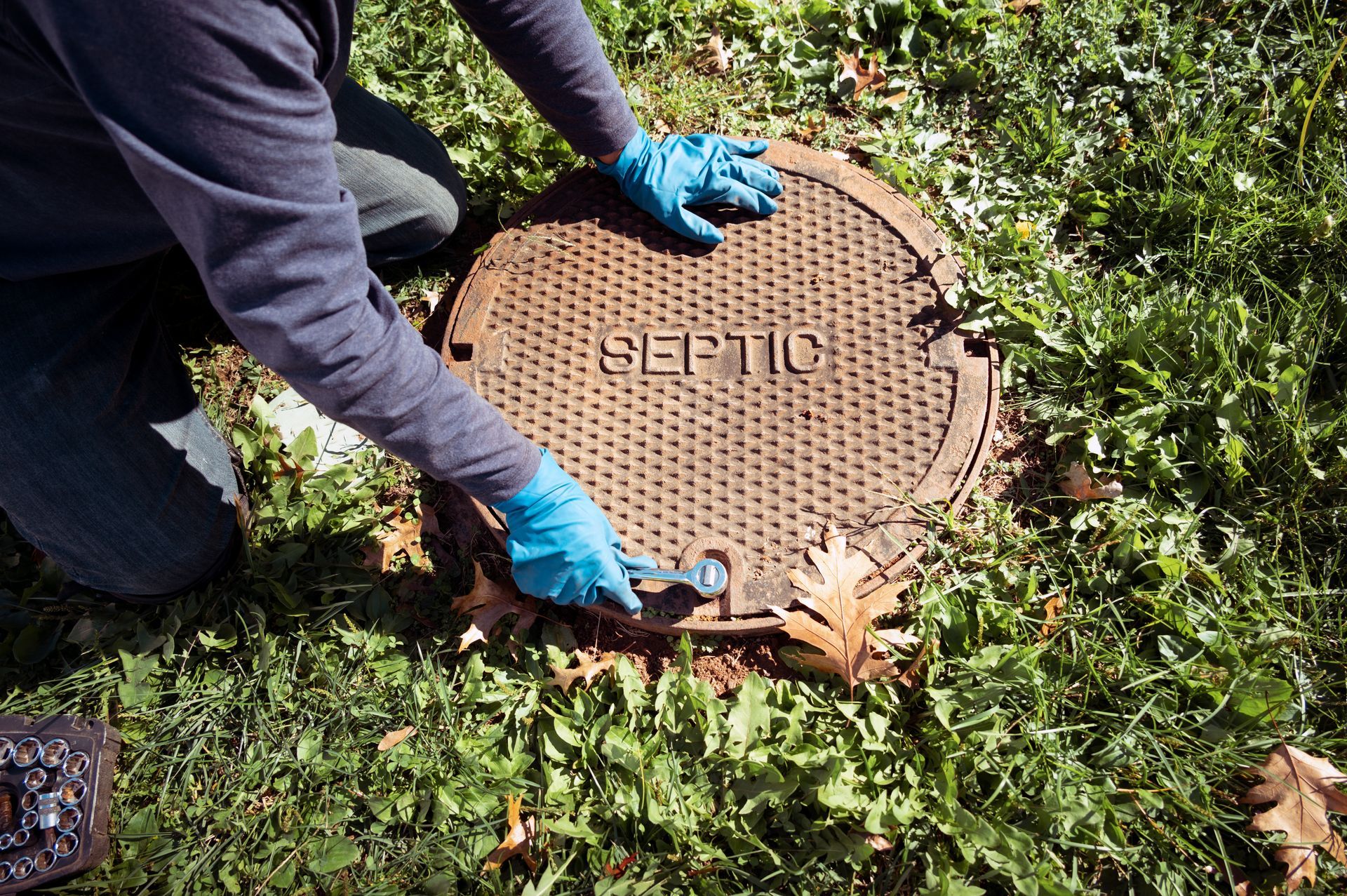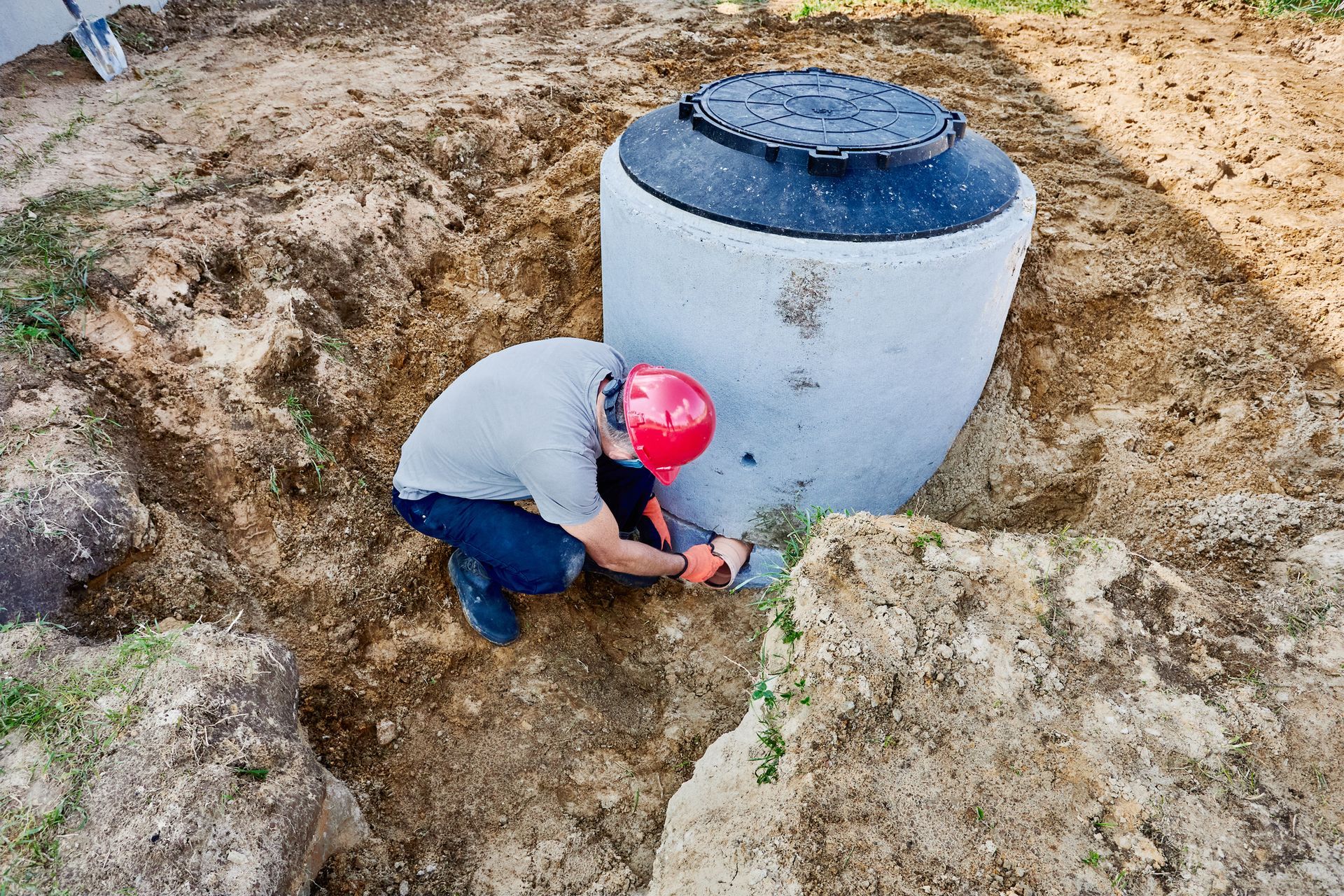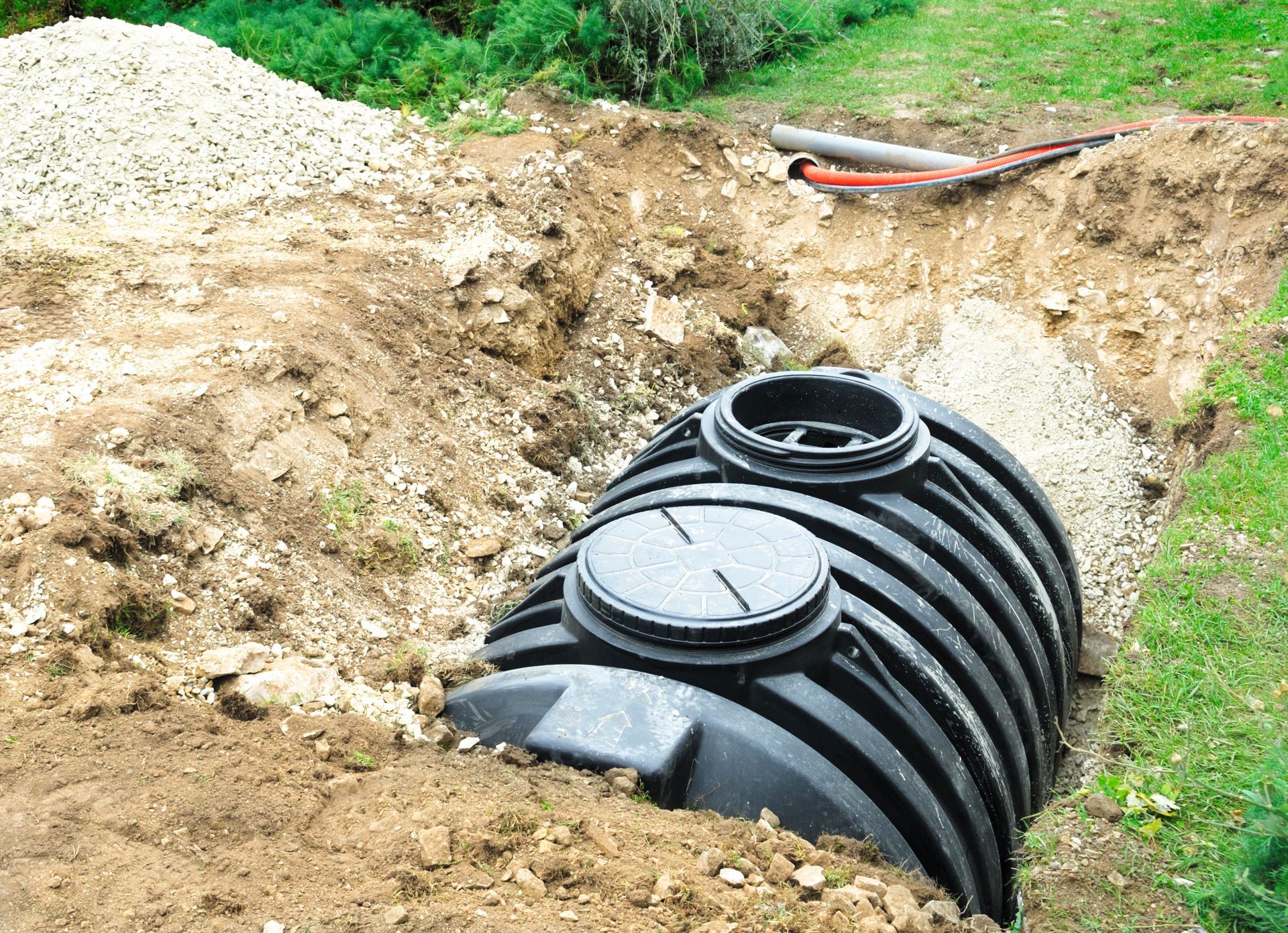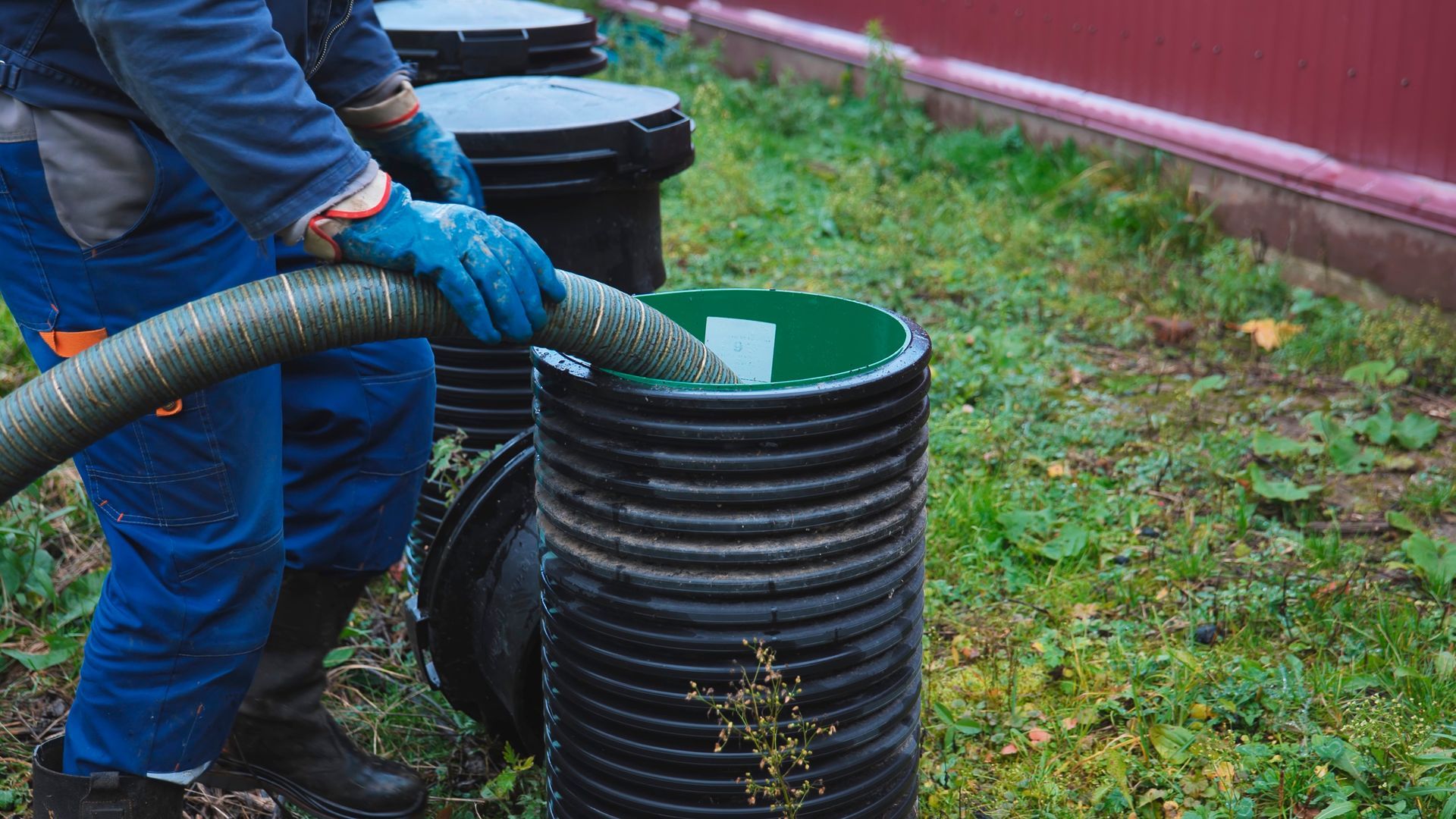
Choosing the right septic system is one of the most important decisions before any septic tank installation project begins in Woodburn, OR. The system you select affects your budget, lot layout, and long-term maintenance routine. Whether planning a new build or replacing a failing system, understanding your options saves time, money, and frustration. This guide covers the three most common system types, how local soil and terrain influence that choice, and what Marion County and Oregon DEQ require before installation can start.
Why Woodburn Soil Conditions Shape Your Septic System Options
Woodburn sits in the northern Willamette Valley, where the dominant soil is a deep silt loam known for moderately slow drainage. Lower-lying areas contain the Amity and Dayton series, which can become waterlogged during Oregon's wet winters. A slow drainage rate and seasonal high water table directly limit which designs DEQ will approve on a given lot.
In practical terms, a gravity-fed system may work on some parcels but not others. A soil evaluation by a licensed professional determines which category your land falls into. That evaluation is required before any septic tank installation work can move forward under Oregon DEQ's permitting process.
The Three Main System Types Explained
Conventional Gravity Systems
Wastewater flows by gravity from the house to a septic tank, solids settle, and liquid effluent moves to a drainfield where soil filters it naturally. This design works well where soil percolation meets DEQ minimums and the seasonal water table stays low enough to allow adequate separation below the drainfield. Lot size matters too: a conventional drainfield needs sufficient square footage plus a reserve replacement area. For properties that qualify, this septic tank installation is typically the most cost-effective option.
Mound Systems
A mound system raises the drainfield above natural grade using imported sand fill. This design is required where soil drains too slowly or the water table sits too close to the surface. On Woodburn properties in lower-lying or agricultural drainage areas, a mound may be the only approvable design. The raised mound is visible on the property and requires more land, but it provides reliable treatment where in-ground drainfields cannot. A mound septic tank installation carries higher upfront costs due to additional materials and site preparation.
Aerobic Treatment Units (ATUs)
An aerobic treatment unit injects air into the wastewater, accelerating bacterial breakdown and producing higher-quality effluent before it reaches the drainfield. ATUs are specified on smaller lots, sites with challenging soils, or where drainfield area is limited. Because they include mechanical components, ATUs require annual inspections and more hands-on maintenance than passive systems. This type of septic tank installation is a practical solution when site constraints rule out simpler designs.
Side-by-Side Comparison
No single system is universally better. The right choice depends entirely on your specific parcel.
What Marion County DEQ Requires Before Installation
Marion County Building Inspection serves as the Oregon DEQ's contract agent for septic permits. The process starts with a site evaluation: test pits are dug to examine soil conditions and confirm the drainfield location. A detailed site plan accompanies the permit application. The system must be installed by a DEQ-licensed installer, and an inspection occurs before backfill.
DEQ setback requirements also apply, covering separation distances from wells, property lines, surface water, and structures. These setbacks affect which part of a lot is usable for a drainfield and can influence which system type fits the available space. Working with an installer familiar with Marion County's review process helps move the permit through more efficiently.
What Soil Tests Are Required for a Septic Permit in Oregon?
Oregon DEQ requires test pits dug to approximately five feet within the proposed drainfield area. A licensed soil evaluator examines texture, structure, drainage characteristics, and seasonal water table depth. These findings determine which system type is approvable and where on the lot it can be placed.
Can I Install Any Septic System I Want on My Property?
No. The system type must be approved based on site evaluation results and DEQ rules. Soil conditions, lot size, setback distances, and home size all factor into which designs are eligible. A system approved for a neighboring property may not qualify for yours if the soil or layout differs.
How Often Does a Mound or ATU System Need Maintenance?
Conventional systems typically need the tank pumped every three to five years. Mound systems require similar pumping plus periodic checks of pump and distribution components. ATUs require annual inspections as a condition of their operating permit. Skipping maintenance on any system can accelerate drainfield failure.
Does Woodburn's Wet Climate Affect Septic System Selection?
Yes. The Willamette Valley receives most rainfall between November and March. During that period, soil near the surface may saturate, temporarily raising the effective water table. On lots where seasonal saturation reaches shallow depths, a conventional gravity drainfield may not maintain the required separation from saturated ground, pushing the design toward a mound or ATU instead.
Ready to Find the Right System for Your Woodburn Property?
Selecting the correct septic system starts with a proper site evaluation, an understanding of your soil, and guidance from a team that knows Marion County's permitting process. ACE SEPTIC & EXCAVATING INC. has served the Woodburn area and broader Willamette Valley for decades, helping property owners navigate system selection, DEQ permitting, and septic tank installation from start to finish.
To schedule a site evaluation or ask questions about septic tank installation serving Woodburn, OR, reach out at (503) 981-8001 or (503) 393-1033. You can also visit the Woodburn septic installation service page or the contact page to send a message directly.
ACE SEPTIC & EXCAVATING INC. is ready to help you choose the system that fits your property, your budget, and your land.
| Factor | Conventional | Mound | ATU |
|---|---|---|---|
| Soil requirement | Moderate percolation | Poor percolation OK | Poor percolation OK |
| Water table depth | Must be low | Elevated acceptable | Elevated acceptable |
| Lot size needed | Larger area | Larger area plus mound footprint | Smaller area may qualify |
| Maintenance level | Lower | Moderate | Higher (annual inspections required) |
| Visible on property | Minimal | Yes (raised mound) | Minimal |
What Marion County DEQ Requires Before Installation
Marion County Building Inspection serves as the Oregon DEQ's contract agent for septic permits. The process starts with a site evaluation: test pits are dug to examine soil conditions and confirm the drainfield location. A detailed site plan accompanies the permit application. The system must be installed by a DEQ-licensed installer, and an inspection occurs before backfill.
DEQ setback requirements also apply, covering separation distances from wells, property lines, surface water, and structures. These setbacks affect which part of a lot is usable for a drainfield and can influence which system type fits the available space. Working with an installer familiar with Marion County's review process helps move the permit through more efficiently.
What Soil Tests Are Required for a Septic Permit in Oregon?
Oregon DEQ requires test pits dug to approximately five feet within the proposed drainfield area. A licensed soil evaluator examines texture, structure, drainage characteristics, and seasonal water table depth. These findings determine which system type is approvable and where on the lot it can be placed.
Can I Install Any Septic System I Want on My Property?
No. The system type must be approved based on site evaluation results and DEQ rules. Soil conditions, lot size, setback distances, and home size all factor into which designs are eligible. A system approved for a neighboring property may not qualify for yours if the soil or layout differs.
How Often Does a Mound or ATU System Need Maintenance?
Conventional systems typically need the tank pumped every three to five years. Mound systems require similar pumping plus periodic checks of pump and distribution components. ATUs require annual inspections as a condition of their operating permit. Skipping maintenance on any system can accelerate drainfield failure.
Does Woodburn's Wet Climate Affect Septic System Selection?
Yes. The Willamette Valley receives most rainfall between November and March. During that period, soil near the surface may saturate, temporarily raising the effective water table. On lots where seasonal saturation reaches shallow depths, a conventional gravity drainfield may not maintain the required separation from saturated ground, pushing the design toward a mound or ATU instead.
Ready to Find the Right System for Your Woodburn Property?
Selecting the correct septic system starts with a proper site evaluation, an understanding of your soil, and guidance from a team that knows Marion County's permitting process. ACE SEPTIC & EXCAVATING INC. has served the Woodburn area and broader Willamette Valley for decades, helping property owners navigate system selection, DEQ permitting, and septic tank installation from start to finish.
To schedule a site evaluation or ask questions about septic tank installation serving Woodburn, OR, reach out at (503) 981-8001 or (503) 393-1033. You can also visit the Woodburn septic installation service page or the contact page to send a message directly.
ACE SEPTIC & EXCAVATING INC.<https://share.google/QFWmHnEll3sUeVke1> is ready to help you choose the system that fits your property, your budget, and your land.
New paragraph